The Ultimate Guide to Burning 500 Calories in Under 30 Minutes: The High-ROI Fitness Blueprint
Look, I get it. You’re busy. You’re building a business, managing a team, or scaling your freelance career. Saheli and I talk about this all the time—the “Time vs. Results” paradox. In marketing, we want the highest ROI for every dollar spent. In fitness, you want the highest calorie burn for every minute spent.
Most people think you need to spend two hours on a treadmill to see results. That is a lie. It’s inefficient, it’s boring, and quite frankly, it’s bad for your business because it’s taking you away from high-impact work.
I remember a time when I was flying between London and New York, trying to close a massive deal while maintaining my health. I had 30 minutes in a hotel gym. I could either walk aimlessly or I could use science-backed intensity to torch fat. I chose the latter.
Today, Saheli and I are pulling back the curtain on how to burn 500 calories in under 30 minutes. We aren’t just talking about “sweating.” We are talking about metabolic optimization. This is the Neil Patel and Saheli Chatterjee guide to high-performance fitness.
The Science of the “Afterburn”: Why Intensity Trumps Duration
If you want to burn 500 calories quickly, you have to stop thinking about the calories you burn *during* the workout and start thinking about the calories you burn *after* the workout. This is called EPOC—Excess Post-exercise Oxygen Consumption.
Here’s the deal: When you push your body into high-intensity zones, your metabolism stays elevated for hours, sometimes even 24–48 hours, after you stop. You’re essentially turning your body into a furnace that burns fat while you sleep or write copy.
To hit the 500-calorie mark in 30 minutes, you need to reach 80–90% of your maximum heart rate. This isn’t a casual stroll. This is metabolic conditioning.
[Image Suggestion: A high-quality photo of a professional looking at a stopwatch while wearing gym gear, symbolizing the value of time. Alt-text: Busy professional timing a high-intensity workout for maximum calorie burn.]
The Power of Compound Movements
If you’re doing bicep curls, you’re wasting time. To burn 500 calories, you need to engage the largest muscle groups in your body—the glutes, the back, and the legs. When you use multiple muscle groups simultaneously, your heart has to pump harder to deliver oxygen, which skyrockets your caloric expenditure.
Think of it like SEO. You don’t just optimize one meta tag; you optimize the entire site architecture to get the best results. Compound movements are the “site-wide optimization” of your body.
Strategy 1: The Kettlebell Inferno (The Saheli Method)
Saheli often talks about the “Minimum Viable Effort” for maximum results. Kettlebells are the ultimate tool for this. A study by the American Council on Exercise found that kettlebell workouts can burn up to 20 calories per minute. That’s 600 calories in 30 minutes if you don’t stop.
The Workout:
Perform each move for 40 seconds, followed by 20 seconds of rest. Repeat the circuit 5 times.
- Kettlebell Swings: The king of posterior chain movements.
- Goblet Squats: Engages the core and the quads.
- Kettlebell Clean and Press: A full-body explosive move.
- Burpees over the Kettlebell: To get that heart rate into the red zone.
- Mountain Climbers: For core stability and cardiovascular endurance.
Pro Tip: Don’t go too light. If the weight doesn’t scare you a little bit, you aren’t burning 500 calories.
Strategy 2: HIIT Sprints (The Neil Patel Sprint)
When I’m in a new city and have no equipment, I run. But I don’t “jog.” Jogging is for people who have nothing but time. Sprinting is for closers.
Sprinting is the most primal way to burn fat. It triggers growth hormone release and improves insulin sensitivity. If you want to look lean and stay sharp for your afternoon meetings, this is the way.
The Protocol:
Find a hill or a treadmill.
– Warm-up: 5 minutes of light jogging.
– Sprint: 30 seconds at 100% effort.
– Rest: 30 seconds of slow walking.
– Repeat this 15-20 times.
Listen, the goal here is intensity. By the end of the 30 seconds, you should be gasping for air. That’s where the magic happens. That’s where the 500 calories go up in smoke.
[Image Suggestion: A dynamic shot of an athlete sprinting on a treadmill with sweat flying, highlighting intensity. Alt-text: High-intensity interval training (HIIT) sprint for fast weight loss.]
Strategy 3: The Jump Rope Revolution
Did you know that jumping rope can burn more calories per minute than swimming or rowing? It’s a high-impact, high-frequency movement that requires total body coordination.
Saheli loves this because you can do it anywhere—a balcony, a park, or even a small office. No excuses.
To hit 500 calories, you need to incorporate “Double Unders” or high-knee jumps. If you just jump casually, you’ll hit 300. To get to 500, you have to push the tempo.
The Routine:
– 2 minutes of basic jumping.
– 1 minute of “Double Unders” (the rope passes twice per jump).
– 30 seconds of rest.
– Repeat 8 times.
The Comparison Table: Which Activity Wins?
Data is the backbone of everything we do. Whether it’s analyzing click-through rates or caloric burn, you need to know the numbers. Here is how different activities stack up for a 180lb individual over 30 minutes.
| Activity | Intensity Level | Estimated Calories (30 Mins) | EPOC Effect |
|---|---|---|---|
| Walking (3 mph) | Low | 120-150 | Minimal |
| Moderate Jogging | Medium | 250-300 | Low |
| HIIT Sprints | Very High | 450-550 | High |
| Kettlebell Circuit | High | 400-500 | Moderate/High |
| Competitive Rowing | High | 420-480 | Moderate |
The Psychological Edge: How to Sustain High Intensity
Saheli and I often talk about “Mindset over Matter.” Burning 500 calories in 30 minutes is physically painful. Your lungs will burn, and your muscles will scream. Most people quit at the 15-minute mark.
How do you stay in the game? You treat it like a product launch. You break it down into phases.
Phase 1: The Excitement (Minutes 1-10).
Phase 2: The Dip (Minutes 11-20). This is where most people fail.
Phase 3: The Finish Line (Minutes 21-30). This is where the results are made.
You have to be comfortable being uncomfortable. In business, if you avoid the hard conversations, you don’t grow. In fitness, if you avoid the “red zone,” you don’t change.
[Image Suggestion: A close-up of a person’s face showing determination and grit during a workout. Alt-text: Mental toughness and focus during a 30-minute calorie-burning session.]
Nutrition: Don’t Out-Eat Your 30-Minute Grind
It takes 30 minutes of hell to burn 500 calories. It takes 30 seconds to eat a 500-calorie muffin. Do the math.
If you want these workouts to actually change your physique, you need to fuel correctly. Saheli recommends a high-protein diet to preserve muscle mass while you’re in a caloric deficit. Neil focuses on timing—getting your carbs in *after* the workout when your body is primed to use them for recovery rather than fat storage.
The “Golden Rule” of Nutrition:
If it comes in a box and has a long shelf life, it’s probably sabotaging your 30-minute effort. Stick to single-ingredient foods. Chicken, eggs, spinach, sweet potatoes. Simple scales; complex fails.
Hydration and Its Impact on Caloric Burn
If you are dehydrated, your performance drops by up to 20%. If your performance drops, your intensity drops. If your intensity drops, you aren’t hitting that 500-calorie goal. Drink 16oz of water 30 minutes before you start. It’s a simple hack, but it works.
Step-by-Step: The “Ultimate 500” Bodyweight Circuit
Don’t have a kettlebell? No hill nearby? No problem. You can do this in your living room. The key is zero rest between exercises.
- Plyometric Lunges (1 Minute): Jump as high as you can with each switch.
- Burpees (1 Minute): Chest must touch the floor.
- Plank Jacks (1 Minute): Core stability meets cardio.
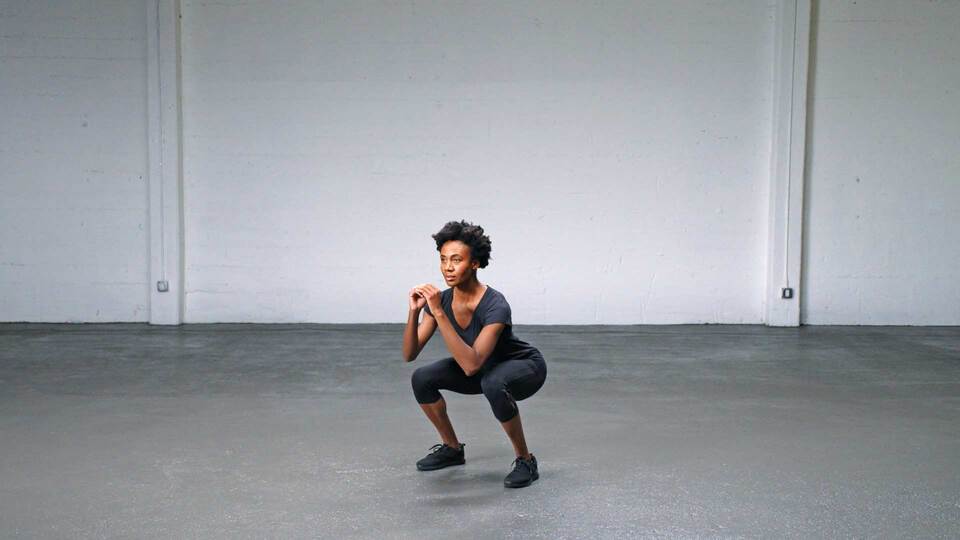
- Air Squats (1 Minute): Go for speed, but keep your chest up.
- Push-ups (1 Minute): As many as possible.
Rest for 60 seconds. Repeat 5 times.
By the third round, you’ll want to stop. Don’t. Remember why you started. You’re building the discipline that will carry over into your business and your life.
[Image Suggestion: An infographic showing the 5 bodyweight exercises with arrows indicating a circular flow. Alt-text: 500-calorie bodyweight circuit diagram for home workouts.]
Common Mistakes That Kill Your Calorie Burn
1. Checking Your Phone: Every time you look at a notification, your heart rate drops. In a 30-minute workout, every second counts. Put your phone on “Do Not Disturb.” Your emails will still be there in 30 minutes.
2. Poor Form: Moving fast is good; moving wrong is dangerous. If you get injured, your calorie burn for the next month will be zero because you’ll be on the couch. Master the mechanics before you add the intensity.
3. Not Tracking: If you don’t measure it, you can’t improve it. Use a heart rate monitor or a fitness tracker. If you see you’re only at 350 calories at the 20-minute mark, you know you need to kick it into high gear.
FAQs: Your Burning Questions Answered
1. Can a beginner really burn 500 calories in 30 minutes?
It’s difficult but possible. Beginners should focus on HIIT variations that allow for slightly longer rest periods initially. As your cardiovascular base grows, you can decrease rest and increase intensity to hit the 500-calorie mark.
2. Is it safe to do this every day?
Honestly? No. High-intensity training like this puts a lot of stress on the central nervous system. We recommend doing these “500-calorie blasts” 3-4 times a week, with active recovery (like walking or yoga) on the other days.
3. What if I don’t hit exactly 500 calories?
Don’t sweat the specifics. The goal is the effort. If you burn 450 but you gave it 100%, the metabolic afterburn will more than make up for the 50-calorie difference. It’s about the trend, not the individual data point.
4. Does coffee help with calorie burning?
Yes! Caffeine is a natural thermogenic. Drinking a cup of black coffee 20 minutes before your workout can increase your fat-burning potential and give you the energy to push harder. Just skip the sugar and cream.
5. What is the best time of day to do this?
The best time is whenever you will actually do it. However, many high-performers prefer the morning. It jumpstarts your metabolism and gives you a “win” before you even start your workday. It sets the tone for discipline.
The Conclusion: Take Action Now
We’ve given you the science, the workouts, and the strategy. But as we always say in marketing—strategy is nothing without execution.
You can read all the blog posts in the world, but your body won’t change until you move. You have 30 minutes. That’s only 2% of your day. You can spare 2% to become a high-performance version of yourself.
Stop scrolling. Stop overthinking. Pick one of the strategies above—whether it’s the sprints, the kettlebells, or the jump rope—and go. Burn those 500 calories. Build that discipline. Scale your life.
Your turn: Which of these workouts are you going to try tomorrow morning? Let us know in the comments below!
Stay hungry, stay fit.
— Neil Patel & Saheli Chatterjee
Meta Title: How to Burn 500 Calories in 30 Minutes | High-ROI Fitness Guide
Meta Description: Stop wasting time at the gym. Neil Patel and Saheli Chatterjee share the science-backed secrets to burning 500 calories in under 30 minutes using HIIT, kettlebells, and more.
URL Slug: burn-500-calories-in-30-minutes-guide